
Small businesses succeed online when they apply focused, measurable marketing practices that prioritize discoverability, conversion, and customer lifetime value. Four channels carry most of the weight: SEO, social media, email marketing, and paid advertising, and each contributes differently to leads, footfall, and repeat sales. The sections below lay out action-oriented steps for local SEO, on-page fixes, social content planning, email list building, and efficient PPC budgeting, together with the technical basics (site speed, mobile-first design, crawlability), the content tactics (short-form video, blog content), and the automation (email flows, AI-assisted SEO) that let a plan scale. Everything here is meant to be implementable with limited resources, with quick-start checklists, measurable KPIs, platform decision criteria, and compact tables comparing tools against expected outcomes.
Key Takeaways
- Rank the channels before you spend. SEO and local SEO come first for durable discoverability, email second for owned relationships, then paid search, social, and content marketing.
- Local intent is where small budgets win. A complete Google Business Profile, consistent NAP across citations, and localized service pages convert better than broad-audience traffic.
- Build email automations in revenue order. Welcome series first, then abandoned-cart recovery, then post-purchase and re-engagement flows.
- Test small on paid, scale only the winners. Reserve part of the monthly budget for creative testing, shift spend to proven audiences, and pause underperformers promptly.
- Treat AI as a drafting assistant, not an author. Use it for ideation, copy variants, and technical scans, then apply human review for brand voice, accuracy, and localization.
What Are the Most Effective Digital Marketing Strategies for Small Businesses?
Digital marketing for small businesses is the coordinated use of SEO, social media, email, and paid media to increase visibility and turn local intent into customers. The sequence is simple: attract targeted traffic through SEO and ads, engage and nurture prospects via social and email, then measure and optimize for ROI. Done properly it produces predictable lead flow and higher conversion rates, because the channels stay aligned around shared goals and shared tracking. The strategies below are ranked by impact and by how realistic they are for a small team.
This ranked list shows priority channels and why they typically deliver the best returns.
- SEO and local SEO: Improves organic discoverability for relevant searches and reduces long-term customer acquisition cost.
- Email marketing: Owns customer relationships, drives repeat purchases, and delivers strong ROI through automation.
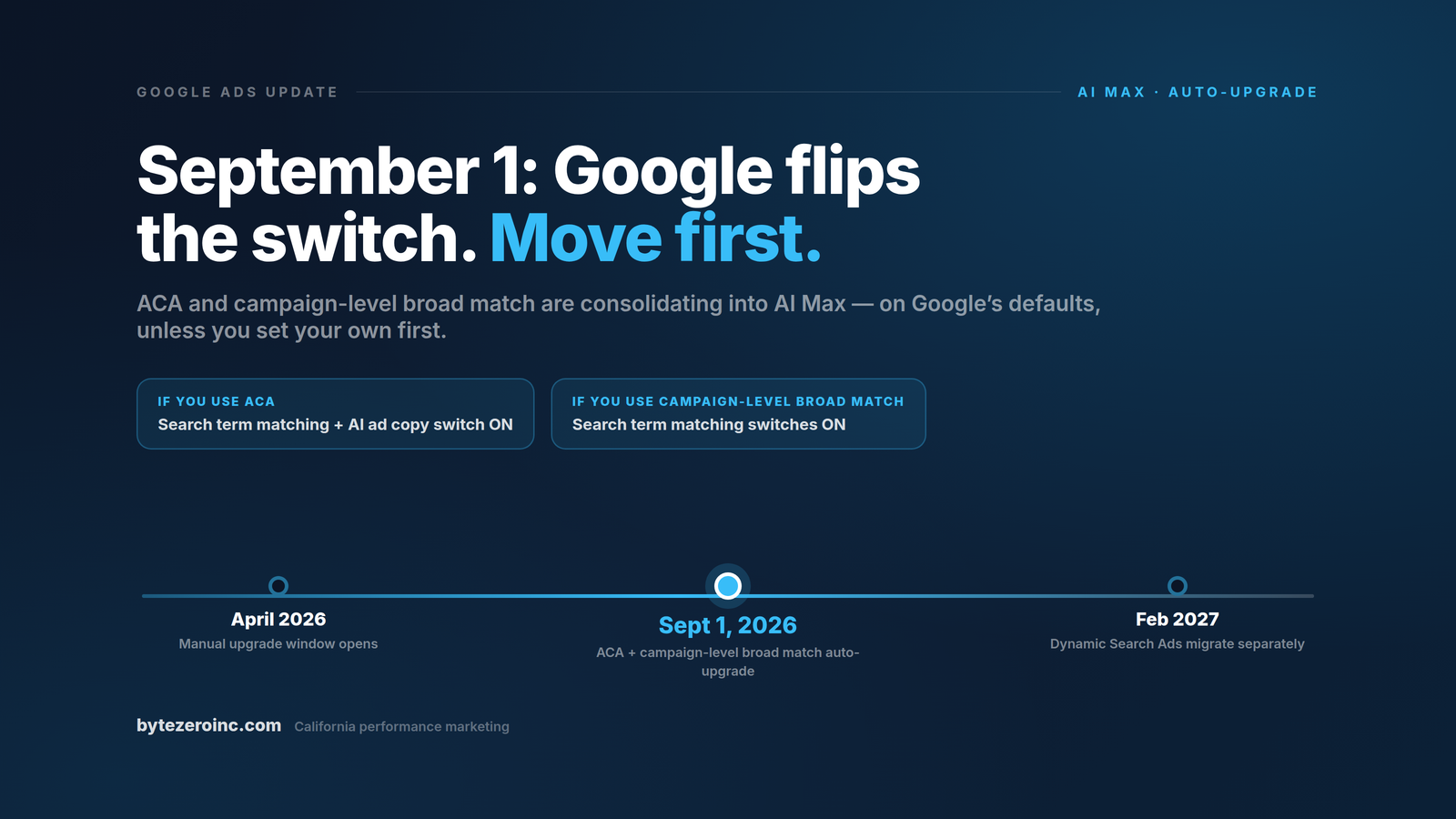
- Paid search (Google Ads): Captures high-intent traffic quickly and is effective for immediate visibility.
- Social media (organic + paid): Builds brand awareness, supports discovery, and converts with targeted creative.
- Content marketing & short-form video: Strengthens SEO, social engagement, and trust over time.
SEO earns the first look, since it drives both visibility and trust for local businesses. Here is where to start.
How Does SEO Improve Online Visibility for Small Businesses?
SEO increases organic visibility by aligning website content and technical structure with what searchers and search engines expect, which improves rankings and click-through rates. The work splits into keyword targeting, on-page optimization, technical health (site speed, crawlability), and local signals such as Google Business Profile that capture location-based intent. What comes back is sustainable, cost-efficient traffic that builds trust through a stronger organic presence and genuinely relevant content. Small businesses that prioritize search intent mapping and local landing pages often see a steady lift in qualified visits and inbound inquiries.
Practical first steps include auditing current keywords, fixing title tags and meta descriptions, and ensuring pages answer the main customer questions. These on-page fixes create immediate ranking opportunities and improve click-through performance. Next, focus on technical improvements like mobile optimization and structured data to make pages easier for engines to index, which supports further visibility gains.
Essential Search Engine Optimisation Techniques for Small Business Website Visibility and Growth
In the current digital era, the internet has become an indispensable tool for a variety of activities, including business promotion. One effective method for promoting your business online is by establishing a website that provides valuable information to visitors. However, merely possessing a website is insufficient; it is imperative to ensure that your website achieves a high ranking on search engine results pages (SERPs) to attract a greater number of visitors. One of the most efficacious strategies for optimising a website for search engines is through search engine optimisation (SEO) techniques. These techniques are designed to enhance a website’s visibility on SERPs by employing diverse tactics, such as keyword research, content optimisation, and link building. Nevertheless, it is important to recognise that SEO optimisation is not a singular undertaking but rather a continuous process. It necessitates persistent attention and diligent effort to maintain elevated search engine rankings and guarantee the sustained prosperity of your online enterprise. By optimising your website, you can
Apply the search engine optimization (seo) method to determine website ranking on search engines, N Khofifah, 2023
Why Is Social Media Marketing Crucial for Small Business Growth?
Social media marketing drives discovery, engagement, and repeat business by creating regular touchpoints with prospects and customers through tailored content and community interaction. Platforms amplify brand voice through short-form video, user-generated content, and behind-the-scenes storytelling, and they also enable direct-response campaigns for offers and events. Paired with clear CTAs and linkable landing pages, it becomes an affordable way to build familiarity and drive measurable conversions.
Use social to test product messaging and gather social proof that feeds back into paid and organic strategies. Consistent posting combined with occasional paid boosts increases reach and helps small teams learn which creatives and topics move users down the funnel. The next section outlines how email marketing converts interested followers into paying customers.
How Can Email Marketing Drive Sales and Customer Engagement?
Email marketing drives sales by converting interested prospects into first-time buyers and nurturing customers to increase lifetime value through segmentation and automated flows. It runs on direct, permissioned communication: welcome sequences, behavioral triggers, and personalized offers, all delivered to an owned audience that platform algorithm changes cannot take away. Segment the list, automate it sensibly, and the returns are both strong and reasonably predictable.
Start with simple automations: welcome series, abandoned-cart recovery, and post-purchase follow-ups. Track open rates, click-through rates, and conversion metrics to refine subject lines and content. Effective email programs reduce reliance on paid channels and create repeat purchase loops that compound growth over time.
How Can Small Businesses Master SEO to Attract Local Customers?
Local SEO focuses on optimizing for searches with local intent so nearby customers find your business when they need services or products. It combines keyword research for location-specific queries, on-page signals, technical accessibility, and a complete Google Business Profile, which together surface you in organic results and in the local pack. The payoff is more footfall, more local calls, and high-intent leads that convert at better rates than broad-audience traffic. The steps below cover the essentials, followed by a compact table mapping components to tools and impact.
Begin with a local keyword map and align service or product pages to those queries. Ensure consistent NAP (name, address, phone) across listings and prioritize GBP optimization to capture map-based visibility. Technical checks (mobile, speed, schema) protect indexability and user experience.
The table below ties each SEO component to a concrete action and to the impact you should expect from it.
Different SEO components require targeted actions and tools to deliver measurable local impact.
| SEO Component | Action | Impact / Recommended Tools |
|---|---|---|
| Keyword research | Map service + location queries, prioritize by intent and difficulty | Better targeting; tools: keyword planners, local visibility tools |
| On-page optimization | Optimize titles, H tags, meta descriptions, and localized content | Improved CTR and relevance; low effort, high reward |
| Technical SEO | Improve site speed, mobile responsiveness, sitemaps, and indexability | Faster indexing and better user experience; tools: site speed tests, crawlers |
| Google Business Profile | Complete profile fields, add photos, services, and posts | Higher local pack placement and more direction/call actions |
This table clarifies which actions create immediate local visibility improvements and which tools help execute them efficiently. Next, we break down specific keyword research steps for local businesses.
Local SEO Strategies for Retailers: Enhancing Organic Traffic and Conversions
The purpose of the research presented herein is to substantiate the significance of local business optimisation for retailers within search engines to increase organic traffic. It aims to provide insights and practical recommendations for retailers concerning the local optimisation of their businesses on Google, as an integral component of an effective marketing strategy. Furthermore, it seeks to establish typical, valid data micromarking (exemplified by a Ukrainian retailer) that will contribute to advantageous placement within the Local Pack compared to competitors, thereby increasing organic traffic and conversion rates.
Business optimization in the digital age: Insights and recommendations, A Natorina, 2020
What Are the Key Steps in Keyword Research for Local Businesses?
Keyword research for local businesses means finding queries that combine service intent with geographic modifiers so pages match nearby demand. The process runs in four moves: identify seed terms, expand them with location modifiers, check volumes and intent, then map keywords to pages by commercial intent. Traffic that explicitly wants a nearby provider converts at higher rates, which cuts both wasted visits and wasted ad spend. A simple process starts with brainstorming seed phrases, using a keyword tool to expand them, checking competitor SERPs for intent signals, and prioritizing by effort versus potential return.
Example: map service-plus-location phrases, near-me variants, and question-style queries to your service pages and FAQ posts. Prioritize high-intent terms for landing pages and informational queries for blog content that captures the top of funnel. This mapping makes subsequent on-page optimization more efficient.
How to Optimize On-Page SEO for Small Business Websites?
On-page SEO ensures each page clearly signals relevance to target queries through titles, headings, meta descriptions, body content, and internal links. It comes down to matching user intent with structured content and clear calls to action, so that search engines and readers both recognize the page as the best available answer. The result is improved rankings, higher click-through rates, and better conversion. Focus on templates for service pages that include unique value propositions, service scope, FAQs, and local references to increase relevance for local searches.
Use descriptive title tags with primary keyword + location, craft meta descriptions that encourage clicks, and apply schema where appropriate to surface rich results. Internal linking from blog posts to service pages strengthens topical relevance and guides users toward conversion. The next subsection covers essential technical checks that support these on-page efforts.
What Are the Basics of Technical SEO Every Small Business Should Know?
Technical SEO makes your site accessible and fast so search engines can crawl, index, and rank pages properly. In practice that means mobile-first design, page speed optimization, secure HTTPS, structured data, and a correct sitemap and robots configuration. Better indexability and a better visitor experience both feed organic visibility and conversions. Small teams should prioritize mobile performance and site speed because they directly affect both rankings and bounce rates.
Quick fixes include compressing images, enabling browser caching, using a content delivery network, and confirming HTTPS is implemented. Use an XML sitemap and robots.txt to guide crawlers and run periodic crawls to catch indexing issues. These technical improvements reduce friction for users and search engines, supporting the content and local signals you build elsewhere.
How Does Local SEO and Google Business Profile Boost Local Search Presence?
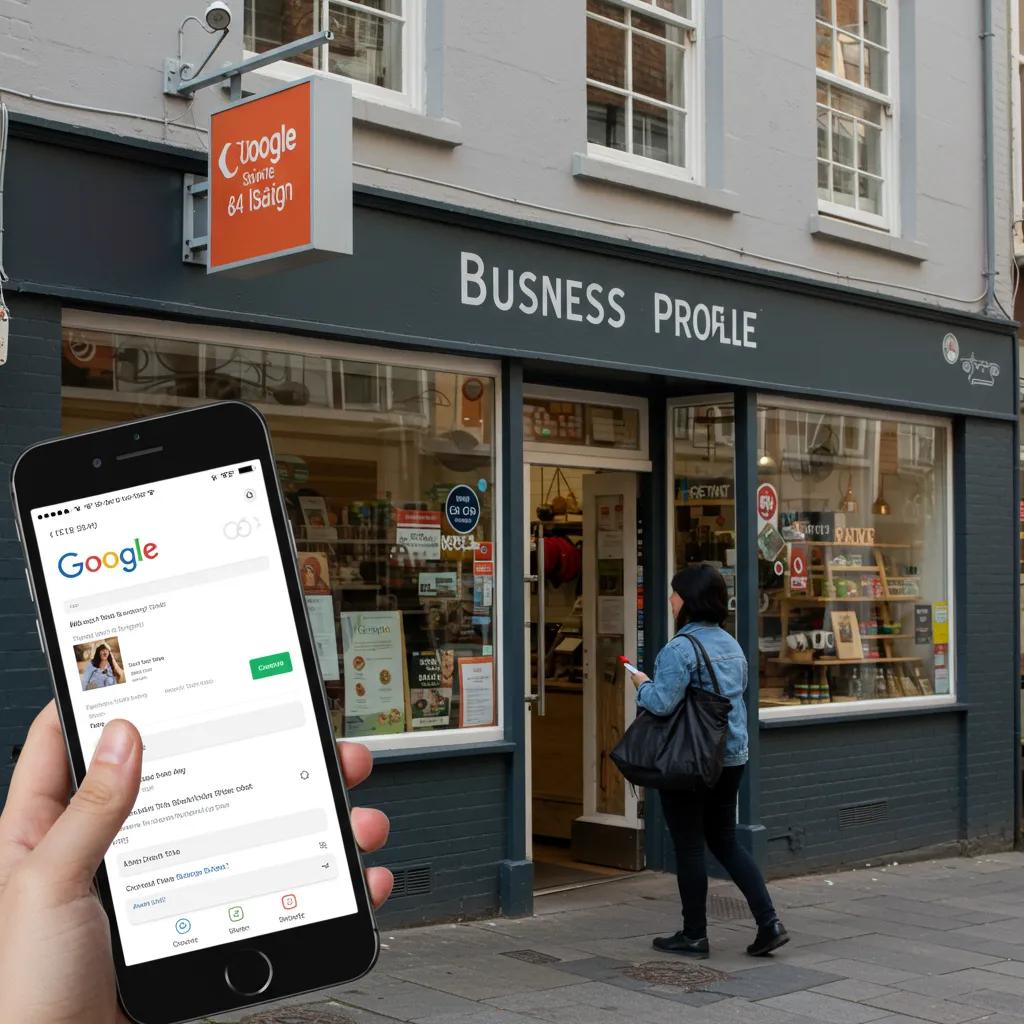
Google Business Profile (GBP) and local citations boost visibility by feeding structured local signals to search engines and providing a clickable presence for maps, calls, and directions. What matters is completeness and consistency: accurate categories, services, photos, and fresh posts all signal relevance and trust to users and to Google. That buys higher placement in local packs and more direct customer actions such as calls and store visits. Regularly soliciting and responding to reviews further improves conversion rates from GBP impressions.
Complete every GBP field, add high-quality images, post offers/events, and respond professionally to reviews. Maintain consistent NAP across citation sources and prioritize authoritative local directories in audits. These activities create a reliable local profile that complements on-site SEO and paid efforts.
Optimising Google Business Profile for Small Businesses: A Case Study
Within the context of Indonesia’s rapidly expanding beauty and personal care sector, this research investigates the optimisation of the Google Business Profile strategy for Glowmax, a beauty clinic situated in East Bekasi. Notwithstanding considerable market potential, Glowmax encounters internal impediments, including constrained human resources and low digital literacy, which impede online visibility and the capacity to attract new clientele. This study endeavours to surmount this deficit by applying the SOSTAC (Situation Analysis, Objectives, Strategy, Tactics, Action, Control) strategic planning model to enhance Glowmax’s digital footprint. A qualitative descriptive research methodology was utilised to scrutinise the implemented strategies and their outcomes. The strategies encompassed comprehensive profile completion, proactive review management, and consistent content updates. The findings indicate a substantial augmentation in Google Maps profile views, escalating from a target of 46 to 395 views within a single month (1-30 June 2025). Furthermore, 177 customer intera
Strategi Optimalisasi Google Profile Business dalam Meningkatkan Visibilitas Online Glowmax, CS Barkah, 2025
Which Social Media Marketing Strategies Work Best for Small Businesses?
Social media supports discovery and direct response by combining organic content that builds trust with paid options that scale reach and conversions efficiently. Success hinges on audience alignment: choose the platforms where your customers already spend time, and match content formats to what each platform actually does well. Social proof plus targeted ads is what amplifies visibility and improves lead generation. Below are criteria for selecting platforms, creative content ideas, and low-cost paid strategies that fit small budgets.
Start by mapping audience demographics and content capacity to platform choices, then test short-form video and carousel ads for engagement. Organize a simple weekly plan with a mix of educational, behind-the-scenes, and promotional posts to maintain consistent presence and feed ad creative.
When selecting platforms, consider these decision criteria and example scenarios.
- Audience fit
- Content format suitability
- Resource availability
How to Choose the Right Social Platforms for Your Small Business?
Platform selection matches business goals and customer demographics to where people actually consume content, pairing audience research with an honest read of what your team can produce. Focusing limited resources on the channels that move the needle simply returns more per hour spent. Most small businesses settle on one or two: Meta and Instagram for visual B2C products, LinkedIn for professional services, TikTok for younger audiences, depending on where target customers engage most.
Evaluate platform demographics, content production capacity, and your sales cycle when choosing channels. Allocate more time to platforms that support both organic and paid strategies, and use short-form video where it fits the product narrative. The next subsection suggests practical content ideas to keep engagement high and production sustainable.
What Are Engaging Content Ideas for Small Business Social Media?

Engaging social content blends value, authenticity, and calls to action to drive awareness and conversions, and it earns attention through storytelling and practical tips rather than polish. Effective formats include short product demos, customer testimonials, behind-the-scenes posts, and user-generated content that builds trust. Engagement rises, and so does the depth of the brand relationship that nudges prospects toward a purchase.
A weekly content mix might include how-to clips, a customer spotlight, a promotional post, and a live Q&A. Repurpose blog content into short videos and carousel posts to extend reach without heavy production costs. Consistent testing of formats and times will quickly reveal what resonates with your audience.
How Can Social Media Advertising Maximize Your Marketing Budget?
Social media advertising stretches budgets through layered targeting, low-cost creative tests, and retargeting that converts already-interested users. Staged audiences (cold, warm, and retargeted) improve efficiency and pull cost per acquisition down. Once small tests surface the winning creatives and audiences, performance scales in a way you can plan around. Allocate budget to initial creative testing, then scale winners into conversion-focused campaigns with retargeting.
Practical budget split example: test with 10–20% of the monthly paid budget, scale 60% to top performers, reserve 20% for seasonal or experimental campaigns. Use simple A/B tests for creative and copy, and retarget site visitors with tailored offers to boost conversion. For businesses that need help with ad execution and scaling, consider professional Paid Ads Management and Social Media Management services from an experienced digital marketing partner.
How to Use Email Marketing Automation to Increase Small Business Sales?
Email automation increases sales by delivering timely, personalized messages that follow customer behavior. Trigger-based messaging does the work: welcome sequences, abandoned-cart reminders, and re-engagement flows that move subscribers down the funnel. Owned channels produce steadier revenue, and segmentation plus automated upsells raises lifetime value. The table below lists common email flows, their triggers, and the engagement ranges usually used to prioritize them.
Automations should be prioritized by likely revenue impact and effort to implement. Start with a welcome series, then add cart recovery and post-purchase sequences to capture near-term sales.
| Email Flow | Trigger | Typical Conversion / Engagement Metrics |
|---|---|---|
| Welcome series | First subscription | Open rates 40–60%, welcome-to-purchase conversion ~5–15% |
| Cart abandonment | Cart left without purchase | Recovery conversion 5–12%, depending on offer |
| Post-purchase / Nurture | Purchase completed | Repeat purchase lift 10–30% with cross-sell |
| Re-engagement | 90+ days inactivity | Re-activation rate 3–8% with incentives |
This table helps prioritize which automations to build first based on expected ROI and ease of setup. The next subsections explain list building best practices and how to craft high-converting emails.
What Are the Best Practices for Building an Email List?
Building an email list ethically combines onsite capture, incentives, and offline opportunities to grow a permissioned audience. It is a straight exchange of value: a useful lead magnet or a discount in return for contact details. What you end up with is a growing channel you control, which reduces dependence on paid platforms. Practical tactics include popup forms with clear CTAs, gated guides or discounts as lead magnets, and in-person collection at events with explicit opt-in.
Segment at capture time by intent or interest to improve personalization later. Ensure compliance with regional regulations and provide clear unsubscribe options. Use simple incentives aligned with purchase intent to attract higher-value subscribers who are more likely to convert.
How to Craft Engaging Email Campaigns That Convert?
Engaging email campaigns rely on relevant subject lines, concise body copy, clear CTAs, and personalized content that respects subscriber intent. Relevance paired with either urgency or obvious value is what prompts action. Open and click-through rates improve, and conversion follows them. Use subject lines that combine a benefit, a note of curiosity, and clear relevance, and keep preheaders complementary rather than repetitive.
Write single-offer emails with one clear CTA and A/B test subject lines and send times. Balance promotional messages with educational and value-driven content to maintain long-term engagement. Monitor deliverability and use segmentation to tailor offers by past behavior.
Which Email Marketing Analytics Should Small Businesses Track?
Email performance tracking focuses on open rate, click-through rate, conversion rate, and deliverability. Measure, read the engagement patterns, adjust, repeat. That loop is what raises revenue per subscriber. Benchmarks vary by industry, but improving CTR and conversion through list hygiene and targeted content typically yields the largest revenue gains.
Track list growth rate, unsubscribe rate, and revenue-per-email to prioritize changes. Use these metrics to decide when to refresh creative, adjust send frequency, or refine segmentation strategies.
What Are the Best Local Digital Marketing Tips for Small Businesses?
Local digital marketing combines GBP optimization, review management, and citation consistency to increase credibility and local visibility. All three build trust the same way: an accurate online presence backed by social proof. Local searchers convert more often, and inbound calls or store visits rise alongside them. Practical tips include completing GBP, actively managing reviews, and auditing citations to ensure consistent NAP across important directories. Below are concrete checklist items to follow before expanding to broader campaigns.
Start with GBP and reviews, then ensure the website contains localized pages and service area content to match user intent. Use community partnerships and local content to drive citations and backlinks that support local rankings.
How to Optimize Your Google Business Profile for Maximum Impact?
Optimizing Google Business Profile means completing every relevant field, choosing accurate categories, adding quality images, and using posts or offers to keep the listing active. Each of those signals relevance and freshness to local searchers and to Google. Maps visibility improves, and so do direction requests and calls. Add services, business hours where applicable, and regular photos that show products, staff, and premises to increase trust.
Monitor GBP insights—calls, direction requests, and search queries—to refine listing content and posts. Use GBP to highlight events and promotions that can spur immediate action and attract local attention.
Why Are Online Reviews Essential for Small Business Credibility?
Online reviews act as social proof that affects consumer trust and local search performance at once. Higher ratings and recent reviews raise click-through and conversion rates because they signal a reputation that is being maintained. Prospects grow more willing to call or visit, and positive reviews often lift local rankings alongside conversion. Solicit reviews with simple, polite requests at point-of-sale or via follow-up emails and respond professionally to both positive and negative feedback.
Use templated responses that personalize where possible and address issues constructively. Ethical review solicitation and rapid response demonstrate customer care and reinforce credibility in the marketplace.
How to Build Local SEO Citations That Improve Search Rankings?
Building local citations involves auditing current listings for NAP consistency, prioritizing high-value directories, and creating accurate entries that reinforce local relevance. Consistent structured data across the web is what supports local ranking signals. The result is stronger authority and a clearer signal to search engines about where your business sits and what it offers. Start with major platforms and industry-specific directories, then expand to local chambers, community portals, and event listings.
Regularly monitor citations to correct inaccuracies and remove duplicates. A compact citation strategy yields outsized returns when combined with GBP optimization and on-site local content.
How Can Paid Advertising Maximize ROI for Small Businesses?
Paid advertising delivers immediate visibility and demand capture by matching ad creative and targeting to user intent. It runs on bid-based placement on platforms where buyers are already active, supported by conversion tracking and steady optimization. Acquisition becomes predictable enough to scale against measured ROI. Choose platforms and campaign types that fit the objective, search for demand capture and social for discovery, then hold to disciplined testing.
Below is a comparison table of ad platforms, their best uses, and budgetary notes to guide platform selection and expected ROI.
Different ad platforms suit distinct objectives and budgets; compare them before choosing.
| Ad Platform | Best for | Budget / ROI Notes |
|---|---|---|
| Google Ads (Search/Local) | High-intent lead capture and local services | Good immediate ROI for intent queries; start small and optimize CPA |
| Meta Ads (Facebook/Instagram) | Visual discovery and retargeting | Efficient for creative testing; use lookalikes and retargeting to improve ROAS |
| Local ad networks / directories | Hyper-local promotions | Lower volume but high relevance; useful for area-specific campaigns |
This table helps small businesses allocate budget based on objectives and expected performance. The next subsections outline specific benefits and budgeting practices.
What Are the Benefits of Google Ads for Small Business Growth?
Google Ads captures users actively searching for products or services, offering immediate placement on high-intent queries with local extensions and flexible budgeting. Advertisers bid on intent, matching keywords to offers. Visibility arrives quickly, and the results are measurable as calls, leads, or visits once landing pages and tracking are in place. Use local extensions and call tracking to measure the true value of search traffic.
Prioritize high-intent keywords with clear landing pages and conversion tracking. Performance Max or local campaigns may help smaller advertisers expand presence across Google properties without complex setups.
How to Effectively Use Social Media Ads on a Small Business Budget?
Social media ads work on small budgets when you run low-cost creative tests, layer audiences, and retarget visitors. The discipline is iterative: run many small tests, identify the winners, then scale them. Acquisition costs fall over time as targeting and creative sharpen. Start with modest daily budgets to test messaging, then allocate increased spend to audiences and creatives that drive conversions.
Reuse organic posts as ad creatives to save production costs and focus testing on a single variable at a time. When resources are constrained, retargeting past visitors often yields the best immediate returns. For hands-on support with campaign scaling, Paid Ads Management services can help manage budgets and creative tests effectively.
What Are Best Practices for Budgeting and Managing PPC Campaigns?
Effective PPC management uses structured budgets, a logical account structure, and a steady optimization cadence to improve CPA and ROAS. Behind that sits disciplined testing of keywords, bids, and creatives, reviewed weekly and again each month. Cost control holds, and efficiency climbs as data accumulates. A typical 90-day roadmap starts with discovery tests, moves to scaling winning segments, and ends with optimization and expansion.
Track CPA, ROAS, and conversion rate as primary KPIs and run weekly creative or bid tests with monthly strategic reviews. Keep budgets flexible to scale winners and pause underperformers promptly.
How Can Small Businesses Leverage AI to Enhance Digital Marketing?
AI helps digital marketing by accelerating ideation, automating repetitive tasks, and sharpening optimization with predictive insight. It is machine learning and automation layered over human strategy, not a replacement for it. With editorial oversight in place, productivity rises and iteration across content, ads, and SEO audits gets noticeably faster. Small businesses can use AI to generate topic ideas, draft variations of ad copy, and run technical scans that prioritize fixes.
Adopt AI tools as assistants that produce drafts and recommendations for humans to validate and adapt. The subsections that follow cover the three categories that matter most to small teams: content ideation and automation, paid media optimization, and SEO.
What AI Tools Help with Content Ideation and Marketing Automation?
AI tools for content ideation and automation include headline testers, brief generators, and workflow platforms that connect triggers to actions. Pattern recognition and generation cut the time it takes to publish. Output becomes more consistent, and experimentation across channels moves faster. Use AI to draft outlines, create A/B variants of copy, and automate routine email journeys, but always apply human review for brand voice and accuracy.
Tool selection criteria: output quality, integration capability with current platforms, and controls for hallucination or factual errors. Combine AI ideation with editorial review to ensure relevance and compliance.
How Does AI Optimize Paid Advertising Campaigns for Better Results?
AI optimizes advertising by automating bids, predicting audience performance, and scoring creative variants so the ads that convert get priority. Historical performance data drives the budget allocation and the real-time bid adjustments. Bid efficiency improves, and strong creative and audience combinations surface far sooner. Leverage automated bidding and creative rotation features, but monitor for anomalies and ensure conversion tracking is accurate.
Use creative performance loops where winning variants are scaled and underperformers are paused. AI-driven audience modeling such as lookalikes can expand reach efficiently when seeded with quality customer data.
What Are the Benefits of AI-Driven SEO for Small Business Websites?
AI-driven SEO accelerates keyword discovery, content gap analysis, and technical audits by working through large datasets and surfacing high-impact opportunities. Automated pattern detection highlights the quick wins and the recurring content themes. Small teams can prioritize the tasks that improve rankings and traffic without burning hours on manual research. AI tools can suggest topic clusters and on-page improvements but require human editing to ensure relevance and localization.
Use AI outputs to create prioritized task lists for content and technical teams and pair them with local insights to ensure relevance. Maintain governance to avoid low-quality or generic content that harms long-term authority.
For small businesses that prefer hands-on assistance in turning strategy into execution, ByteZero Marketing offers specialized Marketing Consultation and Website Design and Development services that can help create a personalized plan or address technical site needs with AI and automation-driven approaches.
ByteZero Marketing positions itself as a digital marketing partner leveraging AI and automation, blending creativity with strategy, data with design, and offering transparent reporting and agile workflows to scale results.
For practical next steps, consider a short diagnostic to prioritize SEO, website fixes, and key automations, or request a targeted marketing consultation to build a 90-day roadmap aligned to your revenue goals.
Frequently Asked Questions
What is the most effective digital marketing channel for small businesses?
There is no single winner. A multi-channel approach works best: SEO for long-term organic growth, paid search or social for immediate demand capture. SEO usually delivers the strongest long-term return because it reduces dependency on paid media, while paid channels buy speed. Align the choice with the goal, whether that is brand awareness, lead generation, or direct sales, and lean on owned channels such as email and search for sustainable growth.
How much should a small business spend on digital marketing?
Budgets vary by industry, growth stage, and revenue objectives. A common rule of thumb is to start with a test budget set as a small share of revenue or a fixed monthly amount, then scale on observed ROAS. Spend enough to learn which channels produce profitable customers, reserve the rest for scaling the winners, and track CPA and lifetime value to decide what level of spend is genuinely sustainable.
How can a small business measure the success of its digital marketing?
Map channel-specific KPIs to business goals: organic traffic and conversions for SEO, opens, clicks and revenue for email, CPA and ROAS for paid media, and engagement for social. Define the conversions first, instrument tracking with analytics and platform pixels, then attribute results back to channels. Use GA4 alongside platform analytics, pick one primary conversion metric, and run regular attribution reviews to guide budget decisions.
Which email automations should a small business build first?
Start with a welcome series triggered on first subscription, because it reaches people at peak interest. Add abandoned-cart recovery next, then post-purchase and nurture flows that fire on a completed purchase, and finally a re-engagement flow for subscribers who have gone quiet. Prioritize by likely revenue impact against effort to implement, and segment at the point of capture so later personalization is actually possible.
Should a small business start with Google Ads or social media ads?
It depends on the objective. Google Ads suits demand capture, placing you in front of people already searching for what you sell, which makes it strong for local service queries. Social ads suit discovery and retargeting, and they reward cheap creative testing. If you need leads now from existing demand, start with search. If you need awareness, or you sell something visual, start with social and retarget site visitors.
How should a small business use AI in its marketing without hurting quality?
Treat AI as an assistant that drafts and recommends while a person validates and adapts. It is useful for topic ideas, outlines, ad copy variants, routine email journeys, and technical scans that prioritize fixes. Judge tools on output quality, how well they integrate with the platforms you already run, and what controls they offer against factual errors. Keep editorial review in place for brand voice, accuracy, and local relevance.