
The cost of a law firm website is set by four inputs: how many pages have to be written to their own statutes, whether the firm will own the site or rent it, what the intake form has to connect to, and who carries the bar-rule review. Firm size is a proxy for those four. It is not a price list.
This article does not print a number, and the reason is not coyness. ByteZero quotes every build to scope after a discovery call, because the same seven-page criminal defense site costs very different amounts depending on whether the practice-area copy already exists, whether new leads have to land in Clio, and whether an attorney is going to read every page before it ships. What we can do is show exactly what moves the figure, in the units that move it: pages, weeks, integrations and review cycles. If you read a quote against those units, you can tell a fair one from a padded one in about ten minutes.
Key Takeaways
- Four inputs set the cost: practice-area pages written to statute, ownership versus rental, intake integrations, and compliance review. Everything else is a rounding error.
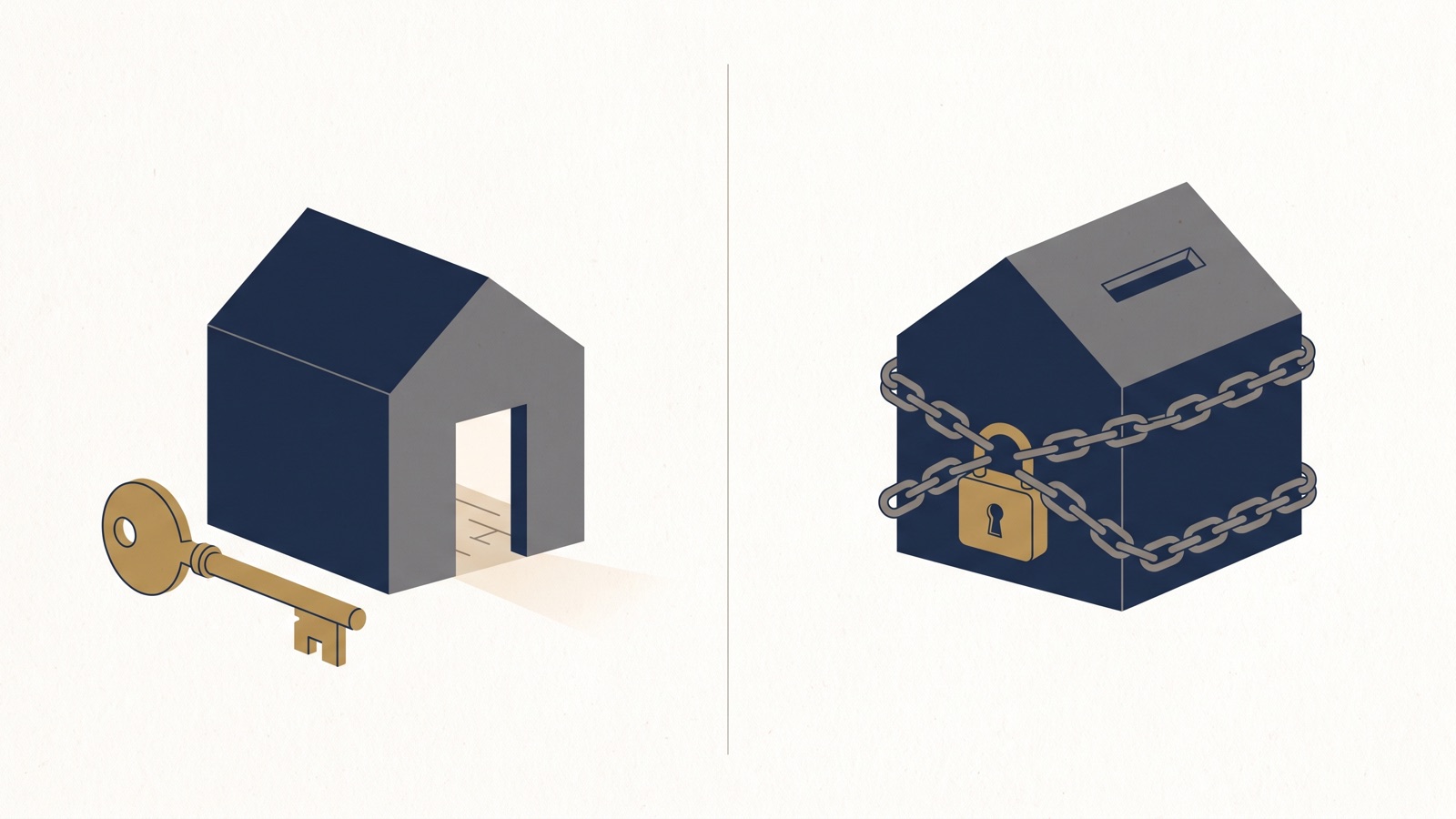
- The pricing model decides the exit cost. A rented site is rebuilt from zero when the subscription ends; a project-fee build is yours to host, edit and keep.
- The intake form is governed by a rule of professional conduct, not a plugin default. California Rule 1.18 makes a person who consults you a prospective client, and that shapes what the first form may ask.
- Timelines run in weeks and are set by approval speed: a typical build is 6 to 10 weeks, a solo site 4 to 6, and a firm with 15 or more practice-area pages 10 to 14.
- The ABA's 2024 survey found 76% of solo attorneys manage and write their own website content, which is a cost that never appears on any quote.

Four ways a firm pays for a website
The proposals we see bill one of four ways, and the one a vendor leads with tells you what it is optimizing for. The important column in the table below is not the price shape. It is what happens when you stop paying.
| Model | Who holds the files | Contract shape | When you stop paying | Fits |
|---|---|---|---|---|
| Fixed-scope project | The firm: domain, hosting, code and content | One quote against a written scope, then optional care plan | The site keeps running on hosting you control | Firms that expect the site to outlive the vendor relationship |
| Hourly specialist | The firm | Time and materials, no fixed end | Work stops; nothing is lost | A defined fix on a site you already own |
| Subscription or rental platform | The platform: proprietary CMS, often the theme and copy too | Monthly fee, usually with a minimum term | The site goes dark; you leave with the domain and whatever you can export | A firm that wants zero involvement and accepts starting over later |
| Do-it-yourself builder | The builder platform | Monthly plan | The pages go offline; templates do not export | A solo practice that treats the site as a business card |
Our own law firm website design service page is blunt about where we sit: you own the website, domain, content and code outright, which is the opposite of the proprietary-platform model. That is a business choice, not a moral one. Rental is a rational buy for a firm that wants to think about its website for exactly one hour a year. It stops being rational the moment a partner asks why the firm is paying, in its third year, for a site it cannot take with it.
The 2024 ABA Legal Technology Survey adds the number that should sit beside every quote. Among solo attorneys, 76% personally manage and create the content for their firm's website; among attorneys in small firms it is 63%. That time is never on the invoice. It is a real line in the budget, and it is the one nobody writes down.
"Most solo attorneys (76%) and attorneys from small size firms (63%) personally manage and create content for their firm's website, while larger firms rely more heavily on marketing departments or outside consultants."
ABA 2024 Solo and Small Firm TechReport, American Bar Association
Where the hours actually go
Design is rarely the expensive part. Writing and review are. A law firm site differs from a plumber's site in one structural way: each practice area has to be written to its own statutes, its own defenses and its own client questions, and then read by the lawyer who practices it. Multiply that by the number of practice areas and you have the shape of the quote before a designer opens a file.
The table below uses a real scope rather than a hypothetical one: the Law Office of Aaron P. McAllister build, a Los Angeles criminal defense practice that launched in August 2026. The figures describe what was delivered at launch. The site is too new to have ranking or lead history, and nothing here is a performance result.
| Line item | Unit that drives it | McAllister scope at launch | Why it costs what it costs |
|---|---|---|---|
| Practice-area pages | Pages, each written to its own charges | 7 (DUI, domestic violence, felonies and weapons, drug crimes, theft and fraud, sex offenses, juvenile) | Each page is researched, drafted and attorney-reviewed separately. One generic "criminal defense" page is one-seventh of the work and roughly one-seventh of the search coverage. |
| Client guides | Guides, one per question people search before they call | 7 (the ten-day DMV rule, what counts as a strike, PC 1000 diversion and others) | Answer-first content that Google and AI assistants can cite. Optional on a brochure site; the growth engine on a serious one. |
| Brand identity | From zero, or from existing files | 0 to 1: lion crest, seal ring, lockup, antique-gold palette | A firm with a usable mark skips this entirely. A firm with an italic wordmark and nothing else does not. |
| Attorney and staff bios | People who touch a file | Every attorney and staff member, role and admission status stated | Non-attorney staff carry an explicit not-a-lawyer disclaimer. Small pages, real review time. |
| Intake path | One call to action, on every screen | Free case review, 24/7, with click-to-call and text on every mobile screen | The form is governed by Rule 1.18 (below), so it is designed, not dropped in. |
| Integrations | Systems the lead must reach | Not part of the published launch scope | When a firm needs it, leads flow into Clio, MyCase, PracticePanther, Filevine, Lawmatics or HubSpot. Each connection is configured and tested once, and each one removes a copy-paste step for good. |
| Search and AI foundation | Schema types, page structure | Attorney and LegalService schema, answer-first guide structure | Fixed cost per build; it does not scale with page count. |
| Compliance review | Rules checked, pages checked | California Rules of Professional Conduct 7.1 to 7.5, built in at design time | Cheaper at design time than at review time, and far cheaper than after a bar complaint. |
Read your own quote against that grid. If it lists "pages" without saying how many, or "content" without saying who writes it, the number is not yet a number. If it lists design at length and never mentions the practice-area copy or who reviews it, you are being quoted for the cheap part. What that copy may and may not claim is its own subject, and we have worked through rule 7.1, rule 7.4 and the FTC endorsement guidance page by page in our guide to law firm website content.

The intake form is a legal document, not a widget
Here is the detail that separates a law firm build from every other small-business site, and it is the one a general web developer will not know to charge for. Under California Rule of Professional Conduct 1.18, a person who consults a lawyer for the purpose of retaining that lawyer is a prospective client, and the lawyer may not use or reveal what that person disclosed, even when no engagement follows. Paragraph (c) goes further: if the lawyer received information from the prospective client that is material to the matter, the lawyer may be barred from representing a client with materially adverse interests in the same or a substantially related matter.
Translate that into a form. A contact form with a large "describe your situation" box as its first field invites a stranger to hand the firm exactly the kind of material information that can later disqualify it from the other side of the case. So the first step of a well-built intake collects the minimum needed to run a conflict check: name, contact details, matter type, county. The narrative comes after the check, not before. That is a design decision with a rule number behind it, and it is one reason a template contact form is cheaper to install and can be far more expensive to have installed.
"Even when no lawyer-client relationship ensues, a lawyer who has communicated with a prospective client shall not use or reveal information protected by Business and Professions Code section 6068, subdivision (e) and rule 1.6 that the lawyer learned as a result of the consultation, except as rule 1.9 would permit with respect to information of a former client."
California Rules of Professional Conduct, Rule 1.18(b), State Bar of California
Other states' rules differ in wording and in the screening remedies they allow, so a firm in Charlotte or Charleston should check its own version of Rule 1.18 rather than copy a California form. The design principle survives the border: collect what the conflict check needs, and nothing more, until the check has run.
Timeline in weeks, and what actually sets it
Our service page states the timelines we work to, and they are worth repeating here because time is a cost even when it is not invoiced. A typical law firm website design and development project runs 6 to 10 weeks from kickoff to launch. Solo-attorney sites can ship in 4 to 6 weeks. Multi-attorney firms with 15 or more practice-area pages and custom content usually take 10 to 14 weeks.
What stretches a build is almost never design revisions. It is approval. Every practice-area page waits on the attorney who practices that area, and a seven-page practice map means seven separate review cycles, often with seven different people, all of whom have court dates. In our builds, headshots and bios are the other dependable cause of a slipped launch, and they are the part the firm controls entirely. A firm that can turn reviews around in two working days will land at the short end of every range above. A firm where drafts sit in an inbox for three weeks will not, and no amount of agency effort changes that arithmetic.
The costs that continue after launch
A project fee buys the build. It does not buy the next four years, and a quote that is silent on running costs is leaving a column out. Budget, in whatever units apply, for the following.
- Hosting and domain. With a build you own, these are accounts in the firm's name, renewed annually. With a rental, they are folded into the subscription and disappear with it.
- Platform updates. A custom WordPress theme needs core and plugin updates; a server-rendered React build needs dependency updates. Either way, somebody has to do it, and "nobody" is the most expensive answer.
- Integration seats. The case-management or CRM system your leads flow into has its own subscription. The website did not create that cost, but the website is what makes it worth paying.
- Content. Practice areas change, statutes are amended, and the guides that earn citations need new questions answered. This is where the 76% figure above comes back: either the firm writes it or someone is paid to.
- Performance monitoring. Google's Core Web Vitals thresholds are specific: Largest Contentful Paint within 2.5 seconds, Interaction to Next Paint of 200 milliseconds or less, and Cumulative Layout Shift of 0.1 or less, each measured at the 75th percentile of page loads. A site that passed at launch can fail a year later after a heavy plugin, an unoptimized headshot or a chat widget. Someone should be looking.
On the platform question, we build two ways and the choice affects the running cost. For most builds we use server-rendered React, because every title, description and schema block reaches Google and AI crawlers in the first response and the pages stay fast on a phone. When a firm's staff needs to edit in WordPress, we build a custom WordPress theme rather than a page-builder template, which is what the McAllister site runs on. The React build has fewer moving parts to update; the WordPress build has an editor the office manager already knows. Neither is free to run, and a fair quote says which one you are getting and why.
What the market says about paying for a site at all
The counter-argument is real: most legal work still arrives by referral, so why fund a website beyond a business card. Clio's 2025 Legal Trends Report, published in October 2025 from a survey of 1,000 U.S. consumers, answers it in two lines. Of people who hired a lawyer recently, 70% said they had an easy time finding and hiring one, largely through referrals and online searches. But when asked how they would find their next lawyer, more than half said they would also turn to the internet, with firm websites and online reviews playing strong roles. The same report found that among consumers who had asked an AI a legal question, 28% were directed by that AI to contact a lawyer.
The ABA data points the same direction from the supply side. The share of solo practitioners with a website rose from 53% in 2021 to 70% in 2024, and 23% of solo firms now let clients schedule online through the site, a higher rate than firms of 100 or more attorneys. The market is not asking whether a firm should have a site. It is asking whether the site does anything when someone arrives at 11pm with a charge sheet and a phone.
That is the honest frame for the cost question. A site that exists costs whatever the cheapest rental charges. A site that answers the question a worried person is typing, connects them to intake without breaking Rule 1.18, and does it in under 2.5 seconds on a phone costs what the table above adds up to for your practice.
What a fair quote itemizes
Before you compare two proposals, make both of them answer the same eight questions. The answers are where the real cost difference lives.
- How many practice-area pages are included, and who writes them?
- Who reviews the copy against Rules 7.1 to 7.5 (or your state's equivalent), and is that review a line item?
- Who owns the domain registration and the hosting account on launch day?
- Is the CMS open (WordPress) or a server-rendered build you hold the code for, or is it proprietary to the vendor?
- Which case-management or CRM system does the intake connect to, and is that connection included?
- What does the first step of the intake form ask, and was it designed with a conflict check in mind?
- What is the timeline in weeks, and which of its dependencies are the firm's to meet?
- What happens in month 13 if you stop paying?
A vendor who answers all eight in writing has given you a quote. A vendor who answers three has given you a starting price. Our own 2026 law firm website design guide covers the features and search work that sit on top of these eight; this article is the part that decides the invoice. If you want ours, tell us about the practice from either office, Van Nuys or Huntersville, and we come back with a custom scope, a timeline in weeks and a fixed quote. No lock-in, no boilerplate deck.
Frequently Asked Questions
How much does a law firm website design cost?
There is no single number, and any vendor who gives you one before asking about your practice is quoting a template. The cost is set by four inputs: how many practice-area pages must be written to their own statutes, whether you will own the site or rent it, which intake and case-management systems it must connect to, and who carries the bar-rule review. ByteZero quotes each build to scope after a free discovery call.
Why does a law firm website cost more than a general small-business website?
Three reasons, all structural. Each practice area is a separately researched and attorney-reviewed page rather than one services page. The copy has to pass Rules 7.1 to 7.5 or your state's equivalent, which adds a review step. And the intake form is shaped by Rule 1.18, so it is designed around a conflict check instead of dropped in from a plugin.
Is a subscription law firm website cheaper?
It is cheaper to start and usually more expensive to leave. A rental platform holds the CMS, often the theme and the copy, and when the subscription ends the site goes offline. You keep the domain and whatever you can export. A fixed-scope project costs more up front and leaves you with hosting, code and content in the firm's name.
How long does a law firm website take to build?
A typical project runs 6 to 10 weeks from kickoff to launch. Solo-attorney sites can ship in 4 to 6 weeks, and multi-attorney firms with 15 or more practice-area pages and custom content usually take 10 to 14 weeks. The schedule is set mostly by how quickly the firm approves content, headshots and bios.
What ongoing costs does a law firm website have?
Hosting and domain renewals, platform and plugin updates, seats on the case-management or CRM system the intake feeds, new and revised content as statutes change, and performance monitoring against Google's Core Web Vitals thresholds of 2.5 seconds, 200 milliseconds and 0.1. With a site you own these are accounts in the firm's name; with a rental they are inside the subscription and vanish with it.
Does the number of practice areas change the cost?
Yes, more than any other single input. Each practice area is its own page, written to its own charges and reviewed by the lawyer who practices it. The Law Office of Aaron P. McAllister build shipped seven practice-area pages and seven client guides; a two-practice firm would need a fraction of that writing and review time.
Can I get an itemized law firm website quote from ByteZero?
Yes. After a short discovery call we send a custom scope, a timeline in weeks and a fixed quote, free and with no obligation. It names the page count, who writes the copy, the integrations included, the compliance review, and what you own on launch day. We work from Van Nuys, California and Huntersville, North Carolina.