

Key Takeaways
- LinkedIn is the strongest platform for attorney branding: a complete profile, active commenting, and targeted LinkedIn ads reach both referral sources and prospective clients.
- Facebook ads work for law firms because of targeting — demographics, interests, and behaviors — and they stay effective only if you watch engagement metrics and adjust.
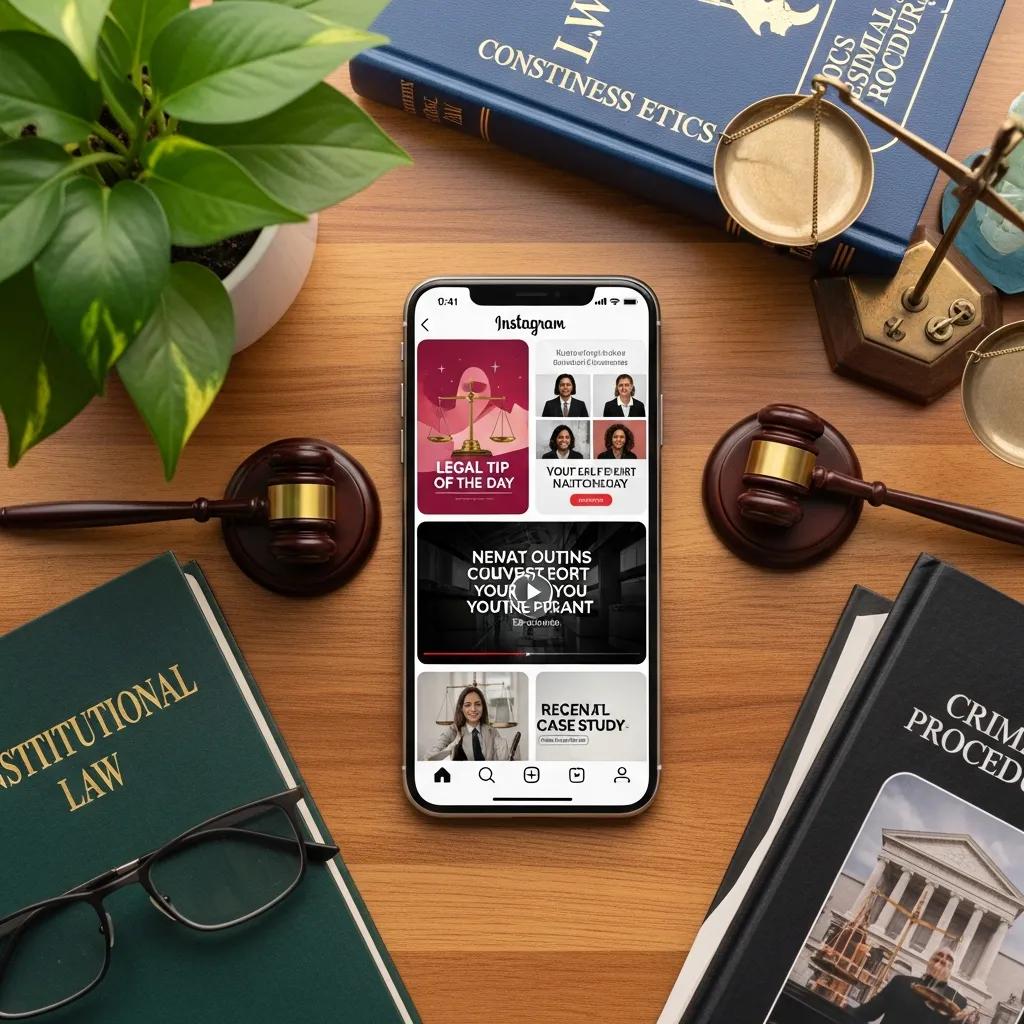
- Instagram is a trust-builder, not a lead machine: educational posts, behind-the-scenes content, and client testimonials give prospects a reason to feel comfortable calling.
- Every post and ad counts as attorney advertising; rules vary by jurisdiction, so check the requirements that govern your own state before publishing promotions or testimonials.

Frequently Asked Questions
Which social media platform is best for a law firm?
For most firms, LinkedIn. The people who refer work to attorneys — other lawyers, accountants, professional contacts — are active there, and a complete profile plus regular engagement builds credibility with both referral sources and prospective clients. Facebook makes sense once you want paid reach into a defined audience, and Instagram is best treated as a trust-builder rather than a starting point.
Do Facebook ads work for law firms?
They can, if the targeting is deliberate. Facebook lets a firm aim ads at specific demographics, interests, and behaviors, so the budget goes toward people who are more likely to need legal services rather than a general audience. The firms that get results treat it as an ongoing process: watch the engagement metrics, see what resonates, and keep adjusting rather than letting a campaign run untouched.
What should a law firm post on Instagram?
Three categories carry most of the load: educational posts that answer common legal questions in plain language, behind-the-scenes content that shows the team and office culture, and promotional posts about consultations or services. The goal is approachability — Instagram is where a prospective client decides your firm feels human. Keep any promotional content inside your jurisdiction’s advertising rules.
Are attorneys allowed to advertise on social media?
Yes, but social media posts and ads are treated as attorney advertising, so the usual rules apply: no false or misleading communications, accurate and transparent content, and protection of client confidentiality in everything you publish. The specific requirements vary by jurisdiction, so the starting point is always the advertising rules that govern your own state.
How can attorneys build a personal brand on LinkedIn?
Start with a complete profile — a professional photo, a summary that highlights your expertise, and clear practice areas. Then participate: comment on posts, join relevant groups, and connect with potential clients and referral sources rather than waiting to be found. Client testimonials add credibility, and targeted LinkedIn ads can extend your visibility beyond your existing network.
Should a law firm hire a social media marketing agency?
It depends on bandwidth. Running these platforms well takes consistent effort — profile upkeep, content planning, engagement, ad management — and that work competes with client matters. An agency that knows the legal sector can handle the cadence and craft content that fits how law firms are allowed to market. If someone in-house has the time and interest, start there; if not, outside help keeps the presence from going stale.